Free shipping over ₹499

Benefits, honestly

It's a food, not a
promise. Here's
what it adds.

Spirulina is a blue-green algae eaten as food for centuries, and one of the densest edible sources of plant protein, iron and carotenoids we know of. Below is what a spoonful contributes - and where the honest limits of the evidence sit.

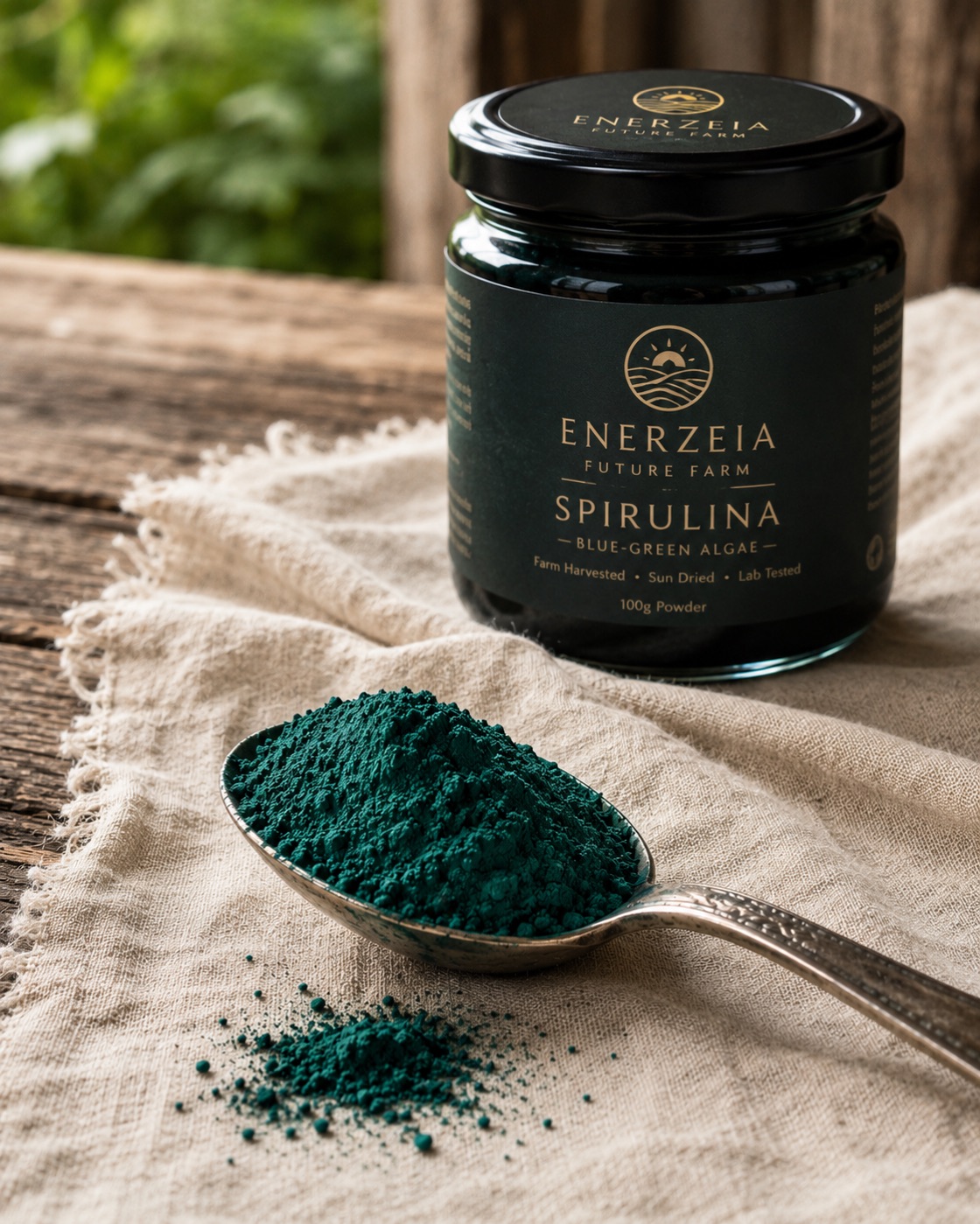
A worn silver spoon heaped with deep blue-green spirulina powder resting on cream linen, a little powder spilled beside it, with a dark Enerzeia Spirulina powder jar standing behind on a weathered wooden table.

Protein by dry weight

More than three times the protein density of most cooked pulses, with all nine essential amino acids present.

One ingredient, nothing added

No binders, fillers, sweeteners or colours - in the powder or the pressed tablets.

Servings in a 100 g pack

A level teaspoon a day. Roughly a month of habit per pack.

Kilocalories per serving

Nutrient density without meaningful calories, so it fits any way of eating.

Nutrition

What one teaspoon carries

Typical published values for dried spirulina at a 5 g serving - about a level teaspoon of powder, or ten of our 500 mg tablets. Your pack's own lab report is the number that counts, and it's printed on the label.

ProteinComplete amino acid profile; ~60-70% of dry weight
3 - 3.5 g
IronNon-haem; absorbs better with vitamin C
1.4 - 2.5 mg
PhycocyaninThe blue pigment-protein unique to spirulina
0.5 - 0.9 g
Beta-carotenePro-vitamin A carotenoid
1 - 2 mg
Riboflavin (B2)Plus thiamine and niacin in smaller amounts
0.15 - 0.2 mg
ChlorophyllGreen pigment; the reason the glass stains
~50 mg
EnergyPer 5 g serving
~20 kcal

Values are typical ranges for sun-dried spirulina and vary by harvest. Not a substitute for the declared nutrition panel on the pack.

Why people take it

Six reasons, and what sits behind each

Each one below is a nutritional fact about the food, followed by what research has and hasn't settled.

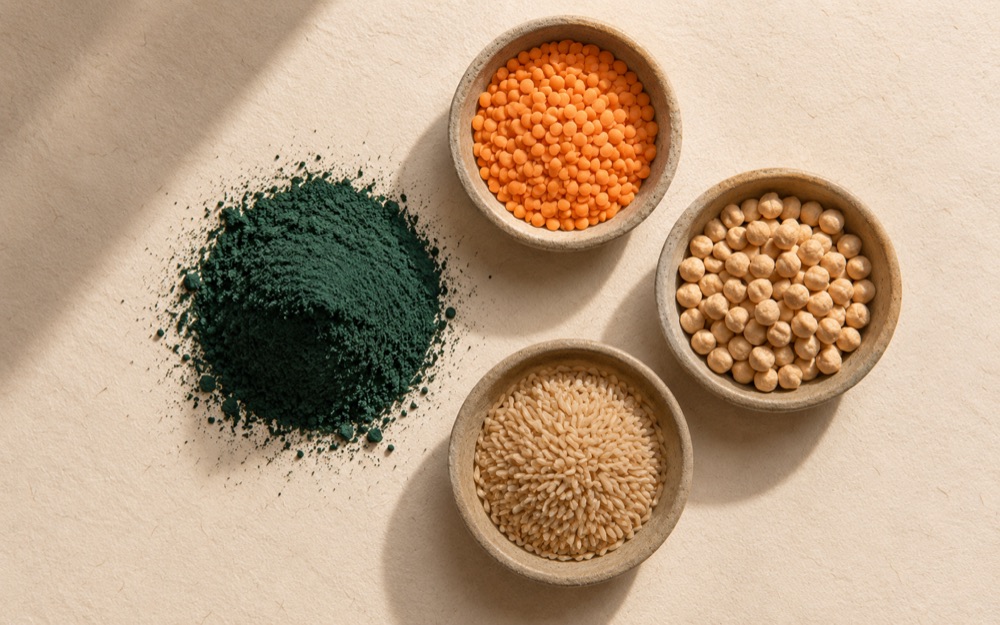
Overhead view of a heap of deep green spirulina powder on a cream surface beside three small stone bowls holding red lentils, chickpeas and rice.
PROTEIN

A complete plant protein

Sixty to seventy per cent protein by dry weight, containing all nine essential amino acids - rare for a plant. Useful padding for vegetarian and vegan diets that lean on pulses and grains.

Where the evidence stands: Settled. This is straightforward composition, measurable in any lab.
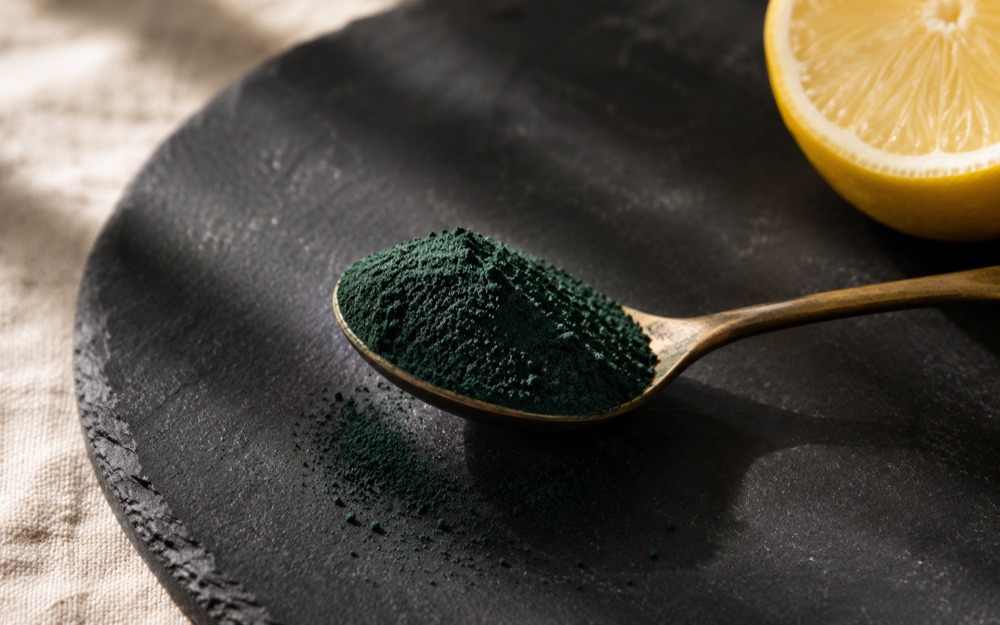
A brass spoon heaped with dark green spirulina powder resting on a round slate plate in low sunlight, a cut lemon half beside it.
IRON

Iron in a plant form

One of the denser plant sources of iron, alongside riboflavin - the pair most often short in diets without much meat. Take it with something citrus to help absorption.

Where the evidence stands: Well established as a source. Whether it corrects anaemia depends on the deficiency and needs a doctor.

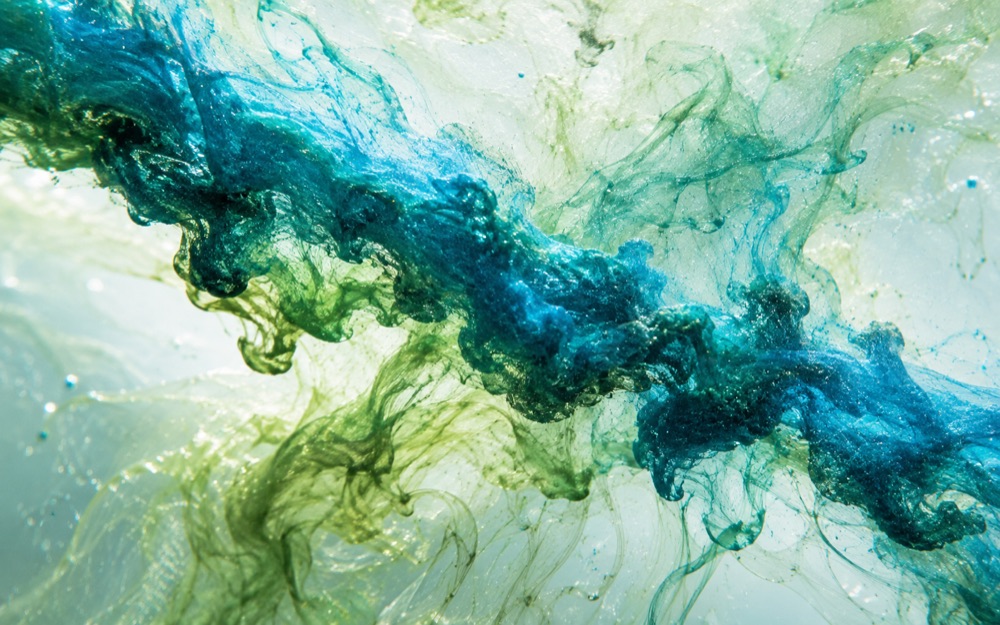
A macro photograph of blue and green pigment dispersing through water in fine billowing threads against a pale background.
PHYCOCYANIN

The blue pigment

Phycocyanin is the protein-pigment that makes spirulina blue-green, and the compound most studied for antioxidant activity in cell and animal models.

Where the evidence stands: Promising in the lab; human trials are small and short. We will not translate them into promises.

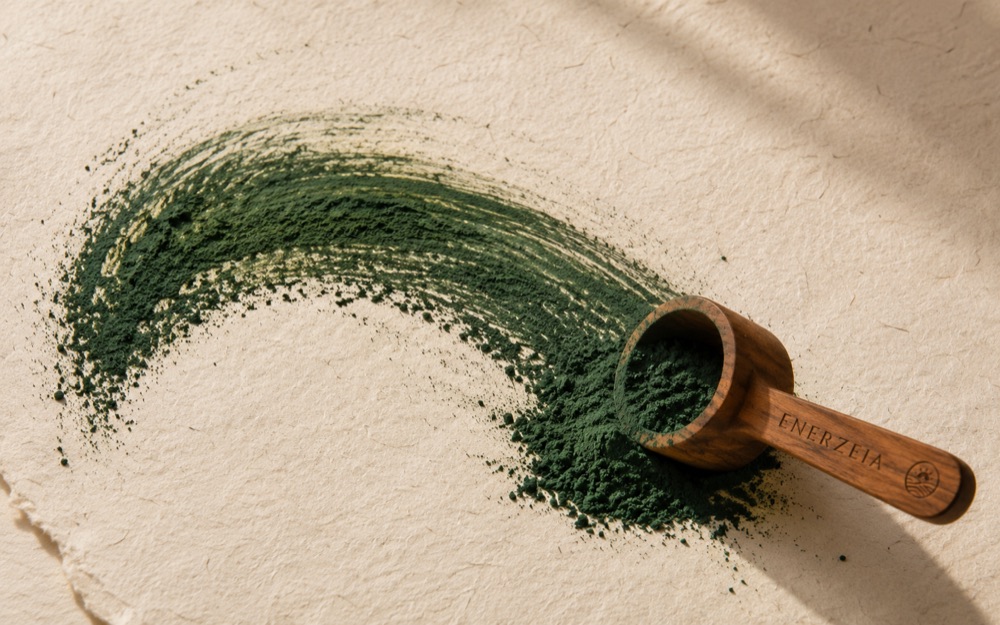
Deep green spirulina powder swept in a wide arc across textured handmade paper, with a wooden measuring scoop of powder resting at the end of the sweep.
B-VITAMINS

Everyday B-vitamins

Riboflavin, thiamine and niacin in modest but real amounts - the vitamins involved in turning food into usable energy.

Where the evidence stands: Composition is clear. Note that spirulina B12 is largely a pseudo-form and should not be counted on.

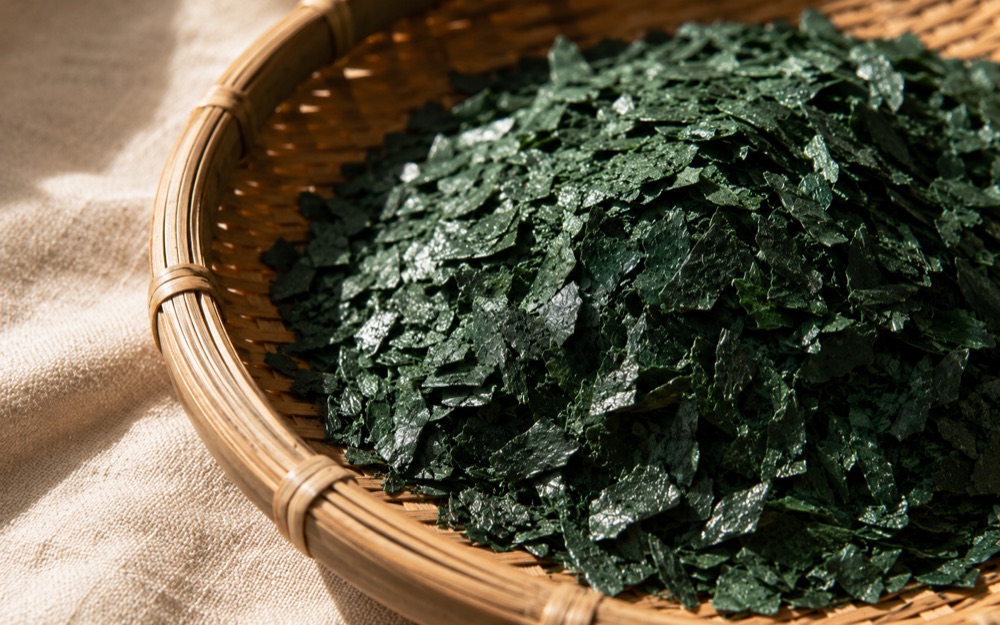
A woven bamboo winnowing basket heaped with dark blue-green dried spirulina flakes, lit from the side on a linen cloth.
GLA

A rare fatty acid

Spirulina carries gamma-linolenic acid, an omega-6 fatty acid otherwise mostly found in evening primrose and borage oil.

Where the evidence stands: Present in meaningful amounts; the health significance at food-level doses is not established.

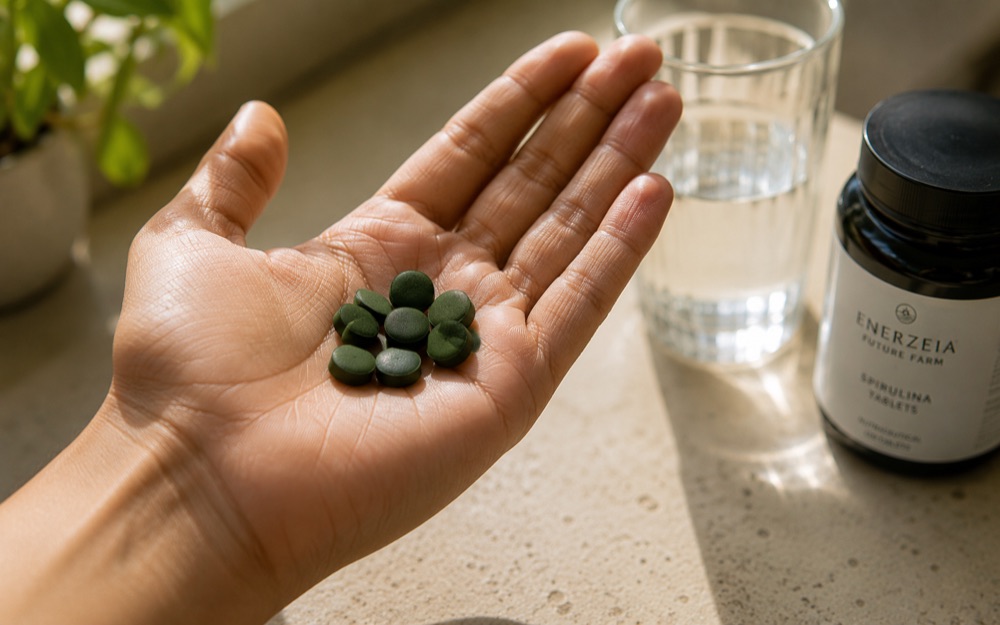
An open palm holding about ten small dark green spirulina tablets, with a glass of water and a bottle of Enerzeia Spirulina Tablets on the counter behind.
HABIT

It's easy to keep up

One teaspoon in a smoothie or ten tablets with water. The nutrition only counts if you actually take it - which is why we sell both forms.

Where the evidence stands: Not a nutrition claim, just the thing that decides whether any of the above matters.

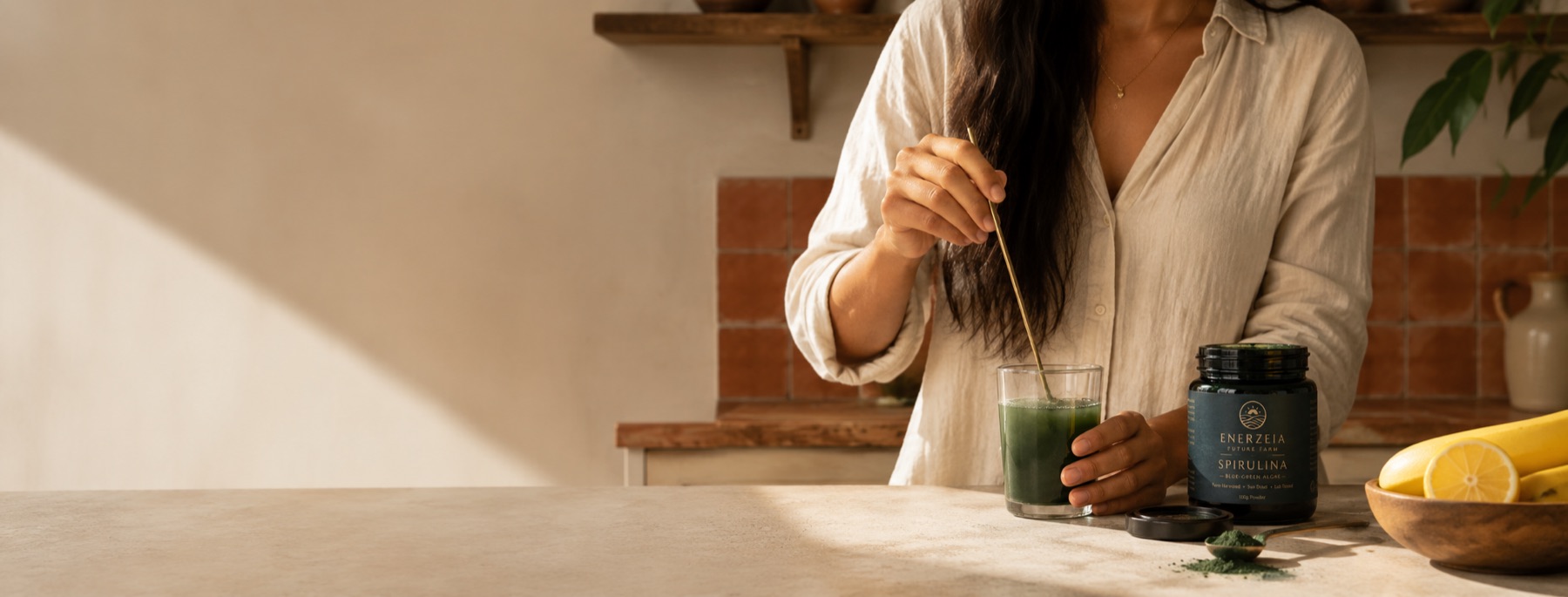
A woman at a sunlit kitchen counter stirring a glass of deep green spirulina drink with a long spoon, an open Enerzeia Spirulina jar and a bowl of lemons and bananas beside her.

Who tends to feel the difference

Spirulina helps most where a diet is already short of something. If you're eating well and varied, treat it as insurance rather than a fix.

Vegetarian and vegan eaters

Where protein variety and iron are the two usual gaps, spirulina covers both from one ingredient.

People low on iron

A dense plant source to eat alongside, not instead of, whatever your doctor has advised.

Anyone training hard

Extra protein without extra bulk, plus the B-vitamins that energy metabolism runs on.

Busy, irregular eaters

Skipped meals and canteen food. A teaspoon is a floor under a diet you cannot always control.

How much, and when

Start small, keep it daily

Week 1
1-2 g a day - half a teaspoon of powder, or 3-4 tablets - taken with food.
Onward
3-5 g a day for most adults. Split it across two times if you prefer.
When
Any time with a meal or a drink. Some find it too energising late in the evening.
Storage
Sealed, dry, out of sunlight. Spirulina fades and loses pigment in the light.

Consistency beats quantity. A daily teaspoon does more than an occasional tablespoon.

Powder or tablets?

Powder
Cheaper per gram, easy to scale up or down, and it blends into food. Tastes green - best with fruit.
Tablets
No taste, no mixing, no green glass. Portable, and the honest answer for anyone who dislikes the flavour.
Both
Powder at home, tablets in the bag. That is the pattern most repeat buyers land on.
See the packs

What we don't claim

  • That it treats, cures or prevents any illness.
  • That it causes weight loss, or replaces a meal.
  • That it detoxes anything - your liver and kidneys do that.
  • That it supplies usable vitamin B12. Take a proper B12 supplement if you need one.

Spirulina is a food supplement. It is not intended to diagnose, treat, cure or prevent any condition. If you are pregnant, nursing, on medication, or have an autoimmune or metabolic condition (including phenylketonuria), speak to your doctor first.

Questions about the benefits

They are different things. A multivitamin is isolated nutrients at fixed doses; spirulina is a whole food that happens to be nutrient-dense, so it also brings protein, pigments and fibre-like material. If you have a diagnosed deficiency, a targeted supplement your doctor prescribes will move a blood marker faster.

Try it for a month and judge for yourself.

A 100 g pack is about twenty servings - enough to know whether the habit sticks before you commit to more.

Shop spirulina